
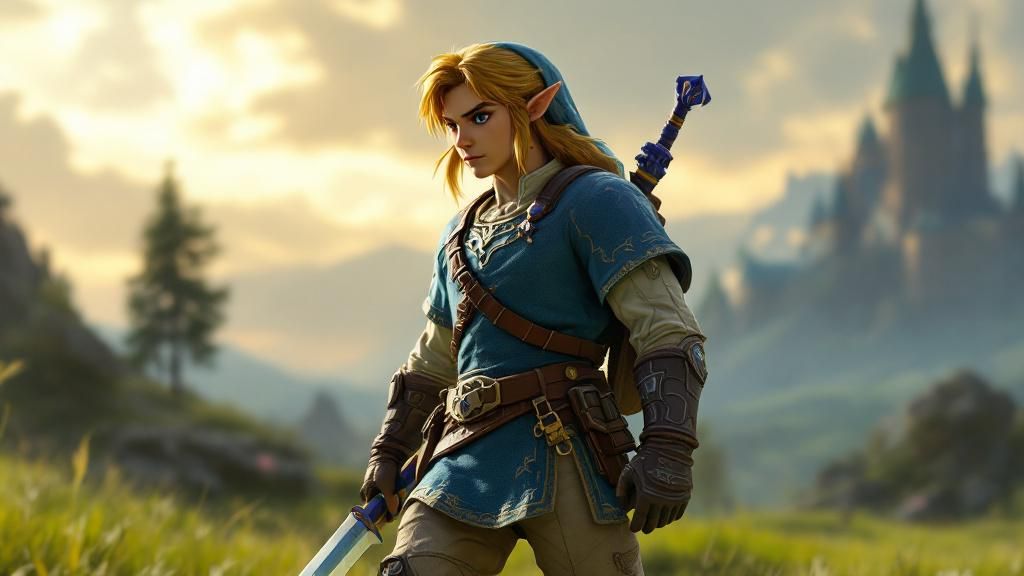
The Legend of Zelda franchise has broken through industry expectations with its best-performing launch to date, establishing Nintendo’s dominance in the gaming market. This historic breakthrough marks a major turning point for the company, outperforming all previous records and showcasing the lasting popularity of the beloved series. In this article, we’ll explore the factors behind this remarkable achievement, review the strong sales figures, and assess what this outstanding success means for the Nintendo’s prospects and the gaming industry overall.
Record-Breaking Launch Performance
The Legend of Zelda franchise has achieved an extraordinary milestone with its latest release, cementing its position as Nintendo’s best-selling debut in the company’s long heritage. The outstanding market performance has gone beyond all market forecasts, with sales figures reaching unprecedented levels in the opening week. This significant success demonstrates the franchise’s enduring popularity amongst players globally and highlights the ongoing appetite for quality gaming experiences that Nintendo alone can offer.
The launch performance has sent shockwaves through the gaming industry, prompting analysts and competitors alike to reassess their market strategies. Revenue figures have regularly exceeded expectations in every market, especially within key markets such as Europe, North America, and Japan. This outstanding financial success underscores the franchise’s cultural significance and validates Nintendo’s investment in providing innovative, engaging gameplay that appeals to both longtime enthusiasts and newcomers to the series.
Economic Implications and Market Response
Record-Setting Revenue Figures
The most recent Zelda title has produced unprecedented revenue streams, surpassing all earlier franchise launches with remarkable monetary results. Within its first week, the game achieved sales figures that surpassed industry analysts’ most bullish forecasts, showcasing remarkable consumer appetite. This outstanding financial achievement demonstrates not merely robust opening demand, but rather a true cultural moment that has engaged gamers globally. The income produced has positioned this launch as a watershed moment for Nintendo’s commercial standing, considerably enhancing shareholder confidence and market valuation across the overall gaming market.
Customer Demand and Market Share Growth
Consumer reaction has been extremely favourable, with record-breaking interest driving supply constraints across numerous distribution channels and e-commerce platforms. Players have displayed strong interest for the title, with early sales figures setting new benchmarks for the industry. The game’s appeal transcends traditional gaming demographics, engaging established supporters alongside new audiences. This extensive market reach has enabled Nintendo to secure significant market position, whilst concurrently building brand affinity and establishing fresh consumer engagement patterns that extend well beyond conventional gaming audiences.
Worldwide Market Implications
The commercial success carries significant implications for global gaming markets, suggesting robust consumer spending despite economic uncertainties. International sales performance has been particularly impressive, with substantial contributions from European, Asian, and North American markets. This worldwide reception emphasises the franchise’s universal appeal and Nintendo’s capacity to provide compelling entertainment experiences across diverse cultural contexts. The achievement has strengthened investor confidence in the gaming sector, potentially influencing development strategies and investment decisions throughout the industry for the coming years.
Player Acceptance and Critical Success
The latest instalment in The Legend of Zelda franchise has attracted overwhelmingly positive responses from gaming enthusiasts and industry reviewers. Gaming publications internationally have celebrated the game for its creative gameplay systems, immersive world-building, and compelling story. Players have taken to social media platforms to express their enthusiasm, with the game maintaining strong momentum since its launch. This broad critical praise has undoubtedly contributed to the historic sales performance, as word-of-mouth recommendations have proven instrumental in driving consumer interest and engagement.
Critical reviews have emphasised the game’s technical excellence and creative vision as defining qualities that set it apart from previous entries in the franchise. The smooth blending of classic Zelda mechanics with fresh, inventive gameplay has resonated strongly with longtime fans and new players to the series. Leading gaming publications have bestowed upon it numerous accolades and perfect scores, establishing its reputation as a defining moment. This exceptional critical reception has validated Nintendo’s artistic direction and reinforced the franchise’s position as a pillar of gaming.
Future Prospects for the Franchise
The remarkable commercial success of this latest Zelda release has established a formidable foundation for forthcoming initiatives within the franchise. Nintendo’s development team has displayed remarkable innovation in both gameplay mechanics and narrative structure, strengths that will unquestionably inform forthcoming projects. With such strong market demand and critical recognition, the company is ideally placed to further develop the series throughout different platforms and formats. The franchise’s proven capacity to engage players worldwide suggests that continued success is entirely achievable, provided that Nintendo preserves its focus on creative quality and honours the legacy that fans have held dear for decades.
Looking ahead, industry analysts predict that this record-breaking performance will catalyse increased funding in the franchise’s development. Potential opportunities encompass improved VR gameplay, expanded narrative universes through additional content, and innovative gameplay iterations that utilise emerging technologies. The franchise’s cultural significance and market strength establish it as a cornerstone of Nintendo’s long-term strategy. As consumer expectations shift over time, the company’s ability to balance tradition with innovation will be essential in preserving the franchise relevance and commercial success throughout the years ahead.
